

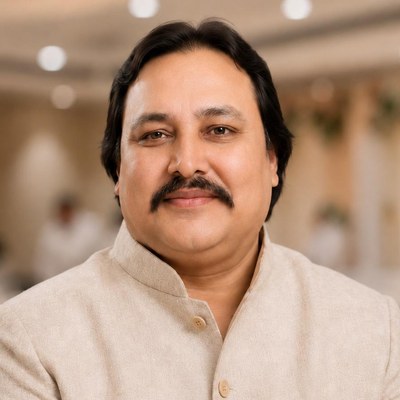
 September 23, 2026 · Mahesh Agarwal, Founder

Navratri and Diwali fall close together on the calendar, and both drive real demand for festive kurtis, but they are not the same occasion and they do not call for the same kurti. Navratri is nine nights of colour, dance and daily change. Diwali is quieter, more about family, light and gifting. Knowing the difference helps you dress right for either one, and helps a retailer stock the right pieces at the right time.
Sharad Navratri 2026 runs from Sunday, 11 October to Monday, 19 October, with Dussehra on 20 October. Each day of Navratri carries its own colour, a tradition that is especially strong in Gujarat and Maharashtra, where garba and dandiya nights are built around it. The colour for each day generally follows the day of the week, since Navratri 2026 begins on a Sunday, the sequence opens in orange and moves through the week from there. The final two days sit outside the weekday pattern and are assigned separately.
| Day | Date | Colour |
|---|---|---|
| Day 1 | 11 October | Orange |
| Day 2 | 12 October | White |
| Day 3 | 13 October | Red |
| Day 4 | 14 October | Royal Blue |
| Day 5 | 15 October | Yellow |
| Day 6 | 16 October | Green |
| Day 7 | 17 October | Grey |
| Day 8 | 18 October | Purple |
| Day 9 | 19 October | Peacock Green |
This sequence is the one most widely followed for Sharad Navratri, the main October Navratri. A smaller Chaitra Navratri falls in spring with its own colour list, so do not carry this chart over to that one. Regional panchangs can differ slightly on the last two days, so treat this as a reliable working guide rather than the only version anyone follows.
Navratri kurtis need to survive hours of garba and dandiya, so comfort and movement matter as much as colour. A flared or A-line kurti works better than a straight, narrow cut, since it moves with the dancing rather than restricting it. Mirror work and bandhani are the two prints most associated with Navratri specifically, both rooted in Gujarat and Rajasthan, and both read as festive without needing to be heavy. For daytime wear, puja visits or simply running errands during the nine days, a lighter cotton kurti in the day's colour is enough, saving the more worked pieces for the evening.
Diwali calls for a different mood. It is a home and family festival built around light, sweets and gifting rather than dancing, so the kurti can afford to be less about movement and more about richness. Silk, chikankari and embroidered pieces suit Diwali well, since the evenings are usually spent at home or visiting close family rather than standing through hours of garba. Deep jewel tones, gold and rich reds do particularly well here, alongside the softer whites and pastels that chikankari is known for. Our chikankari kurti guide and embroidered kurti guide cover these in more depth.
The simplest way to think about it is movement versus stillness. Navratri kurtis are bought to be danced in, night after night, so they favour flare, lighter fabric and colours tied to a specific date. Diwali kurtis are bought to be sat in, at home or at a relative's house, so they favour richer fabric, more embellishment and a colour palette built around gold, red and jewel tones rather than a fixed daily schedule. A single wardrobe usually needs both, and a retailer's rack should reflect that split rather than treating festive kurtis as one interchangeable category.
Georgette and chiffon carry a flowing, dance-friendly drape that suits Navratri evenings. Cotton, especially in bandhani or block print, works for the daytime and for the lighter, more casual Navratri looks. Silk and heavier embroidered fabrics suit Diwali's quieter, more formal mood. Our best fabrics for kurtis guide covers how each of these behaves and wears through a long evening.
Navratri leans into statement jewellery, oxidised silver, bangles that make noise while dancing, and mojaris or flats that can survive hours on your feet. Diwali leans toward gold and polished pieces, and heels are more realistic since the evening is spent seated rather than dancing. A dupatta is almost always part of a Diwali look, draped for the occasion rather than tied back for movement the way it might be during Navratri. Our dupatta draping guide covers the options.
The nine days of Navratri give a retailer something most festivals do not, a built-in reason to change your window display daily. Stocking a visible run of pieces in each day's colour, even a small one, gives customers a reason to come back through the nine days rather than buying once and being done. Keep the Navratri stock lighter and more flared, and build a separate, richer block for Diwali in silk and embroidered pieces, since the two customers are often the same person shopping twice with a different mood each time. Order timing matters here more than most categories, since both festivals are fixed to the calendar and a late delivery genuinely costs you the season rather than just delaying a sale. Our wholesale buying guide and MOQ guide cover planning orders with enough lead time for a fixed date like this.
Sharad Navratri 2026 runs from 11 to 19 October. The day-wise colours are orange, white, red, royal blue, yellow, green, grey, purple and peacock green, following the weekday pattern since the festival begins on a Sunday.
A flared or A-line kurti in a lighter fabric like cotton or georgette works best, since it needs to move easily through hours of dancing. Mirror work and bandhani prints are the most traditionally associated with Navratri.
Diwali suits richer fabrics like silk, chikankari and embroidered kurtis, since it is a home and family occasion rather than a dancing one. Deep jewel tones, gold and red work particularly well.
Navratri kurtis are chosen for movement and are often tied to that day's specific colour, favouring lighter fabric and a flared cut for dancing. Diwali kurtis are chosen for a quieter, more formal setting at home, favouring richer fabric and embellishment over a fixed colour schedule.
No, it is a widely followed tradition rather than a strict rule. Many people bring in the day's colour through a dupatta, accessory or a smaller detail rather than the entire outfit.
Cotton, especially in bandhani or block print, is comfortable for daytime and lighter evening events, while georgette and chiffon give a flowing drape that suits garba and dandiya nights better than a stiffer fabric.
Snehal Creation Inc has been manufacturing women's ethnic wear in Mumbai since 2003, supplying retailers across India with festive kurtis for Navratri and Diwali, from lighter bandhani and mirror work pieces to richer silk and embroidered designs.
WhatsApp: +91 97695 39989
Website: www.snehalcreation.com
Wholesale registration: Create your wholesale account
बेहतर कुर्तियाँ, बेहतर बिज़नेस, बेहतर भविष्य।
